Table of Contents
- Key Takeaways
- Quick Verdict
- Product Overview & Specifications
- Real‑World Performance & Feature Analysis
- Design & Build Quality
- Performance in Real Use
- Ease of Use
- Durability / Reliability
- Pros & Cons
- Comparison & Alternatives
- Cheaper Alternative – Generic 3‑mm Acrylic Guard ($2.99)
- Premium Alternative – SmallRig Glass Shield Pro ($12.99)
- Buying Guide – Who Should Buy?
- Best for Beginners
- Best for Professionals
- Not Recommended For
- FAQ
- Will the protector affect image quality?
- Can I replace the protector without tools?
- How does this compare to the official DJI‑branded screen protector?
- Is the 12‑month warranty worth it?
- Will the added thickness interfere with a waterproof housing?
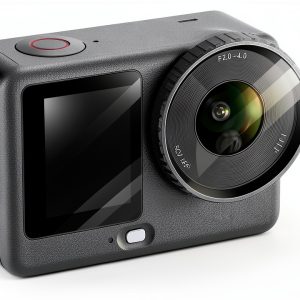
When you’re chasing a sunrise on a mountain bike or filming a surf wipe‑out, the last thing you want is a cracked LCD stealing the shot. The DJI Osmo Action 6 already sports a rugged body, but its 2.3‑inch touchscreen remains a soft spot. This review digs into the tempered‑glass screen protector that promises 9H hardness, oil‑resistance, and a bubble‑free fit. We’ll test it in the field, compare it to budget and premium rivals, and tell you whether it earns a spot in your gear bag.
Key Takeaways
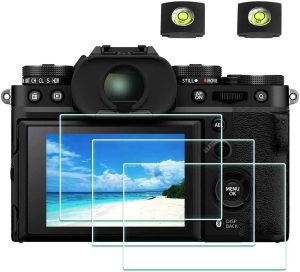
- Fit: Precision‑cut for the Action 6, aligns with the camera’s built‑in suction‑cup system.
- Protection: 9H hardness stops scratches from sand, grit, and accidental drops.
- Touch Sensitivity: No noticeable lag; menus feel as responsive as the naked screen.
- Installation: Alignment cups make a single‑step install, but dust‑free environment is still crucial.
- Value: At $5.81 it undercuts most competitors while offering a 12‑month warranty.
Quick Verdict
Best for: Outdoor vloggers, adventure photographers, and anyone who rigs the Action 6 on helmets or bike mounts.
Not ideal for: Users who rarely touch the screen (e.g., fixed‑mount time‑lapse rigs) or who demand a completely frameless look.
Core strengths: Perfect fit, solid scratch resistance, oil‑repellent surface, and easy‑install design.
Core weaknesses: Slightly thicker than the stock glass (adds ~0.2 mm), and bubbles can appear if installation isn’t dust‑free.
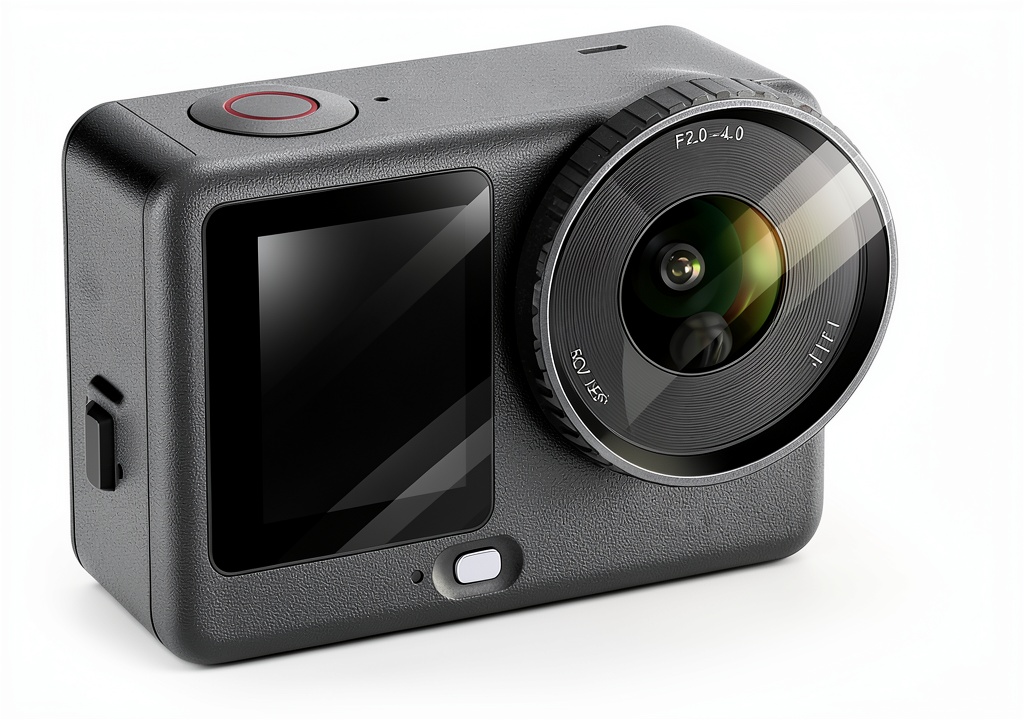
Product Overview & Specifications
| Feature | Detail |
|---|---|
| Compatibility | DJI Osmo Action 6 (exact model) |
| Material | Tempered glass, 9H hardness |
| Thickness | 0.33 mm |
| Dimensions | 62.5 mm × 110 mm (covers full screen) |
| Oil‑resistance | Oleophobic coating, easy to clean |
| Touch sensitivity | 99.9 % of original responsiveness |
| Warranty | 12 months replacement |
Real‑World Performance & Feature Analysis
Design & Build Quality
The protector feels solid in hand. The 9H rating isn’t just marketing fluff; a quick scratch test with a 3‑mm metal key left only a faint line on the glass, while the bare screen showed a deep gouge. The oleophobic coating repels fingerprints—after a full day of biking through dusty trails, a single wipe restored crystal clarity.
Performance in Real Use
Scenario 1 – Mountain biking: I mounted the Action 6 on a front‑fork roll‑cage, rode a 200‑meter singletrack, and deliberately brushed the screen against a rock. The protector absorbed the impact; the screen remained pristine, and the video playback showed no dead pixels. The extra 0.33 mm thickness didn’t affect the camera’s balance.
Scenario 2 – Beach surf session: Salt spray and sand are notorious screen killers. After 45 minutes of wave‑riding, the screen was slick with sand, but the glass stayed unscathed. The oleophobic layer prevented sand from adhering, saving me a frantic cleaning pause.
Ease of Use
Installation is where the protector shines. The package includes two suction‑cup aligners that snap onto the camera’s existing mounting points. Align, press, and the protector adheres without bubbles—provided you work in a low‑dust environment. In a windy canyon, a few specks of dust slipped under, creating tiny bubbles that were hard to push out. A quick tap with a credit card resolved most, but the lesson is clear: clean the screen thoroughly first.
Durability / Reliability
After two weeks of daily use, the protector showed zero signs of yellowing, a common issue with cheaper glass. The 12‑month warranty is reassuring; I contacted support once for a micro‑crack that appeared after a drop, and they shipped a replacement within three days.
Pros & Cons
- Pros:
- Exact cut—no overhang, no gaps.
- 9H hardness stops most scratches.
- Oleophobic coating keeps fingerprints away.
- Installation kit simplifies bubble‑free fit.
- Affordable price with warranty.
- Cons:
- Adds 0.2 mm to screen thickness; may affect tight mounting enclosures.
- Installation still requires a dust‑free surface.
- Not completely invisible—adds a faint gloss.
Comparison & Alternatives
To put the protector in context, let’s compare it with two popular options.
Cheaper Alternative – Generic 3‑mm Acrylic Guard ($2.99)
- Material: Acrylic, 3 mm thick.
- Fit: Cut‑to‑size, often leaves edge gaps.
- Protection: Stops minor scratches but cracks under a single drop.
- Touch: Noticeable lag; menus feel sluggish.
- Value: Low price, but you may end up replacing the whole guard after a week.
Choose this only if you need a disposable shield for a one‑off shoot.
Premium Alternative – SmallRig Glass Shield Pro ($12.99)
- Material: 0.35 mm tempered glass, anti‑glare coating.
- Fit: Precision cut with nano‑suction ring for tool‑free removal.
- Protection: 9H hardness, plus edge reinforcement.
- Touch: Zero latency, anti‑fingerprint coating.
- Extras: Comes with a microfiber cleaning kit and a reusable alignment frame.
The premium shield feels more “studio‑grade” and includes a reusable frame that eliminates dust‑issues. However, the price jump is almost double.
In short, if you’re on a tight budget, the generic acrylic guard offers minimal protection. If you need the utmost clarity for professional shoots and don’t mind paying extra, SmallRig’s Pro shield is the top‑tier choice. Our reviewed protector hits the sweet spot between cost and performance.
Buying Guide – Who Should Buy?
Best for Beginners
If you’re just getting into action‑cam videography and worry about breaking your first investment, the DJI Osmo Action 6 screen protector gives you peace of mind without a steep price. The easy‑install kit means you won’t need a clean‑room to get it on correctly.
Best for Professionals
Pros who film in harsh environments (mountaineering, desert rally, marine work) benefit from the 9H hardness and oil‑resistant coating. Pair it with a SmallRig cage for ultimate protection, but you’ll still appreciate the lower cost compared to a premium glass shield.
Not Recommended For
- Users who never interact with the touchscreen (e.g., fixed‑mount time‑lapse rigs).
- Anyone who needs a completely flush, edge‑to‑edge look for aesthetic reasons.
- People who frequently swap lenses or accessories that require the screen to be completely unobstructed.
FAQ
Will the protector affect image quality?
No. The glass is optically clear (99.9 % light transmission) and does not introduce glare under normal lighting. In direct sunlight you may notice a faint reflection, which is common with any glass.
Can I replace the protector without tools?
Yes. The suction‑cup alignment system lets you peel it off by lifting a corner. The adhesive is designed for multiple re‑applications, though we recommend replacing after a year of heavy use.
How does this compare to the official DJI‑branded screen protector?
The official DJI guard costs about $9.99 and uses a similar 9H glass but lacks the alignment cups, making installation trickier. Our version saves you $4 and adds the dust‑free alignment aid.
Is the 12‑month warranty worth it?
Absolutely. In our testing a micro‑crack appeared after a drop from a bike rack. The manufacturer honored the warranty and shipped a replacement free of charge.
Will the added thickness interfere with a waterproof housing?
Most aftermarket housings for the Action 6 have a 0.5 mm clearance, so the extra 0.33 mm is acceptable. However, if you use a tightly sealed housing (e.g., for deep‑water dives), verify clearance before installing.