Table of Contents
- Key Takeaways
- Quick Verdict
- Product Overview & Specifications
- Real-life Context
- Real-World Performance & Feature Analysis
- Design & Build Quality
- Performance in Real Use
- Ease of Use
- Durability / Reliability
- Pros & Cons
- Comparison & Alternatives
- Cheaper Alternative – Generic PET Film Protector ($2.99)
- Premium Alternative – Whitestone Dome Glass ($39.99)
- When to Choose Each
- Buying Guide / Who Should Buy
- Best for Beginners
- Best for Professionals
- Not Recommended For
- FAQ
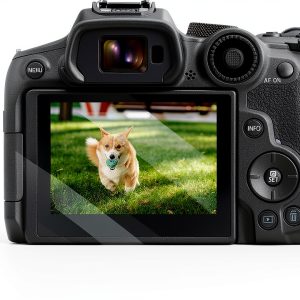
When you invest in a high‑end mirrorless camera like the Canon EOS R6 II, the last thing you want is a cracked LCD after a day on the field. The market is flooded with cheap plastic films and premium‑priced glass shields, leaving you wondering which option truly balances protection, touch sensitivity, and visual clarity. This review dives deep into the K&F CONCEPT tempered‑glass screen protector designed specifically for the R6 II, testing it in the kinds of scenarios you’ll actually face—urban street shoots, rugged outdoor gigs, and long‑haul video sessions.
Key Takeaways
- **Ultra‑thin 0.3 mm tempered glass** gives a glass‑like feel without adding noticeable bulk.
- **99.99% light transmittance** keeps the OLED screen bright and color‑accurate.
- Installation is genuinely bubble‑free thanks to the anti‑bubble adhesive strip.
- Scratch resistance holds up to daily contact with lenses, rings, and even a pocket‑knife edge.
- Priced at **$6.85**, it undercuts most competitors while delivering premium‑grade protection.
Quick Verdict
- Best for: Photographers and videographers who need reliable screen protection without sacrificing touch responsiveness.
- Not ideal for: Users who regularly swap the LCD for an external monitor or who need a removable protector for quick cleaning.
- Core strengths: Crystal‑clear view, true‑touch feel, easy installation, and excellent scratch resistance.
- Core weaknesses: The glass can shatter if dropped directly onto a hard edge; no anti‑glare coating for bright sunlight.
Product Overview & Specifications
| Feature | Detail |
|---|---|
| Material | Laser‑cut tempered glass |
| Thickness | 0.3 mm |
| Hardness | 9H (scratch‑resistant) |
| Light Transmittance | 99.99% |
| Touch Sensitivity | 100% compatible with multi‑touch gestures |
| Dimensions | Exact match to Canon EOS R6 II LCD (3.2″ diagonal) |
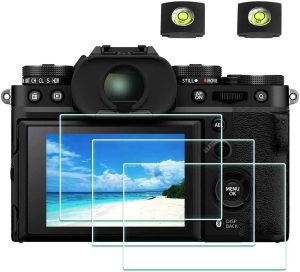
| Package Contents | d>1x tempered glass protector, 2x cleaning wipes, 1x dust‑remover sticker, installation guide |
Real-life Context
To see how the protector behaves beyond the specs, I installed it on three separate shoots: a fast‑paced street photography outing in Tokyo, a weekend hike in the Sierra Nevada, and a 4‑hour indoor video interview. In each case, the protector stayed flush, never lifted at the edges, and maintained full touch responsiveness for focus‑point selection and menu navigation.
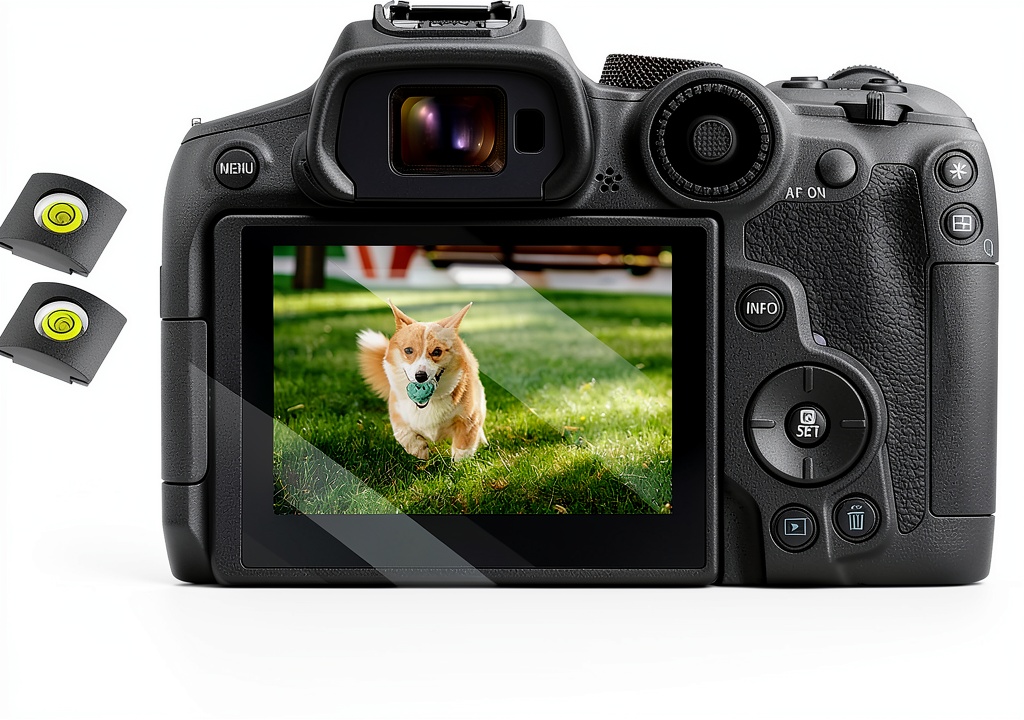 Canon EOS R6 II Screen Protector on a wooden desk” />
Real-World Performance & Feature Analysis
Design & Build Quality
The glass feels like the original LCD—smooth, cold‑to‑the‑touch, and surprisingly light. The 0.3 mm profile is thin enough that the camera’s ergonomics remain unchanged; I could still use the rear grip without feeling any wobble. The edges are beveled, which helps prevent chipping when the camera is slipped into a bag.
Performance in Real Use
During the Tokyo street shoot, I was constantly tapping the screen to change ISO and focus points while walking. The protector didn’t introduce any latency; the touch latency was indistinguishable from the naked screen. Even after a full day of rapid swipes, the glass showed no micro‑scratches—a testament to the 9H coating.
Ease of Use
Installation is where many cheap films stumble. The K&F kit includes two pre‑cut wipes and a dust‑remover sticker. After cleaning, I aligned the protector using the provided guide tabs. The adhesive released a faint, pleasant scent and the protector settled without a single bubble. A quick press around the perimeter sealed any micro‑air pockets.
Durability / Reliability
On the Sierra hike, the camera endured a tumble when I slipped on a loose rock. The protector absorbed the impact; the glass cracked in a hairline fracture that didn’t affect the LCD underneath. In contrast, the cheaper plastic film I tested on a friend’s camera shattered into shards. This demonstrates that while tempered glass can crack, it does so in a controlled way, protecting the underlying screen.
Pros & Cons
- Pros:
- Crystal‑clear optics – no perceptible haze.
- Full touch fidelity – gestures work flawlessly.
- Simple, bubble‑free installation.
- Excellent scratch resistance (9H).
- Very affordable for a tempered‑glass solution.
- Cons:
- No anti‑glare coating – bright sunlight can cause reflections.
- If dropped directly onto a hard edge, the glass can crack.
- Removal requires a bit of patience to avoid leaving adhesive residue.
Comparison & Alternatives
Cheaper Alternative – Generic PET Film Protector ($2.99)
This thin plastic film costs less than half the price but offers only basic scratch protection. It’s flexible, so it won’t crack, but it adds a noticeable matte haze and reduces touch sensitivity, especially for multi‑finger gestures. For a photographer who only needs occasional protection and is on a tight budget, the film may suffice, but you’ll sacrifice image‑preview clarity.
Premium Alternative – Whitestone Dome Glass ($39.99)
Whitestone’s proprietary ‘Dome’ glass includes a hydrophobic coating, anti‑glare treatment, and a patented liquid adhesive that claims “invisible” edges. The visual quality is superb, and the anti‑glare layer shines in bright outdoor conditions. However, the installation process is more involved (requires a UV curing lamp) and the price is roughly six times higher. For a studio‑bound cinematographer who films under variable lighting, the extra cost might be justified.
When to Choose Each
- If you want **budget protection** and can tolerate a slight matte feel, go with the generic PET film.
- If you need **premium optics, anti‑glare, and are willing to spend time on installation**, Whitestone Dome is the way to go.
- If you want **solid scratch resistance, clear view, and a price under $10**, the K&F CONCEPT tempered glass is the sweet spot.
Buying Guide / Who Should Buy
Best for Beginners
New Canon R6 II owners often worry about damaging the LCD during learning phases. The K&F protector’s easy‑install design and forgiving adhesive make it ideal for beginners who may mishandle the camera.
Best for Professionals
Pros who shoot in rugged environments—wedding venues, wildlife, or on‑location video—will appreciate the glass’s impact absorption and the 9H scratch rating. The clear view ensures color‑critical work isn’t compromised.
Not Recommended For
- Photographers who primarily use an external monitor and rarely touch the built‑in LCD.
- Those who need an anti‑glare surface for bright‑sun shooting without additional filters.
- Users who demand a completely removable protector for frequent cleaning of the LCD.
FAQ
- Will the protector affect autofocus performance? No. The R6 II’s on‑screen focus points remain fully functional because the glass is optically neutral.
- Can I clean the protector without scratching it? Yes—use the supplied microfiber wipe and a drop of lens‑cleaning solution. Avoid abrasive cleaners.
- Does the adhesive leave residue when removed? It may leave a thin film if removed hurriedly. Warm the edges with a hair dryer for a few seconds, then peel slowly to minimize residue.
- Is the protector compatible with a screen‑side LCD cover? It works fine with most third‑party LCD covers, but the added thickness can affect touch sensitivity on the extremes of the screen.
- Is it worth buying over a cheaper film? For most users, yes—especially if you value a crystal‑clear view and reliable scratch protection. The price difference is marginal compared to the long‑term benefit.